
Ceiling Insulation South Africa
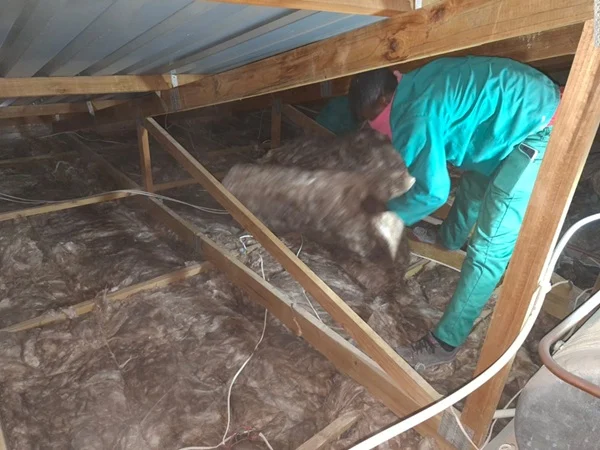
Shop ceiling insulation from Aerolite, Knauf and Isotherm in a range of thicknesses for South African homes and buildings. Compare current roll prices, coverage and verified product R-values before choosing. Glass mineral wool and polyester options are available for new installations, renovations and suitable top-up projects. Roof Insulations offers nationwide delivery, backed by more than 36 years of insulation experience, with professional installation available in Cape Town and surrounding Western Cape areas.
Ceiling Insulation Products for South African Homes
Choosing the right ceiling insulation can make a major difference to indoor comfort, energy efficiency and heat control throughout the year. Roof Insulations supplies a range of proven ceiling insulation products suitable for residential, commercial and industrial applications across South Africa.
Our main ceiling insulation ranges include Aerolite, Knauf, Isotherm and Factorylite. Each product has different thermal properties, densities, thickness options and installation requirements, so the best choice depends on the roof design, required R-value, budget and application.
For most South African homes, thicker insulation generally provides better thermal resistance, particularly where roof spaces experience high summer temperatures and cold winter nights. We can help you compare available thicknesses, R-values and roll sizes before you order.
Shop Ceiling Insulation

Isotherm Insulation
Price range: R466.03 through R741.38Aerolite Insulation
Price range: R422.73 through R616.17
Knauf Insulation
Price range: R949.53 through R1,081.58
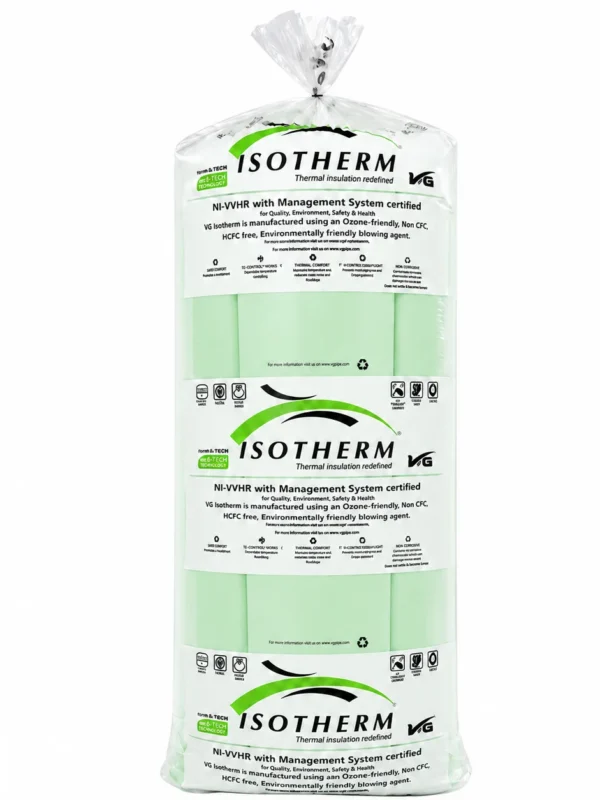
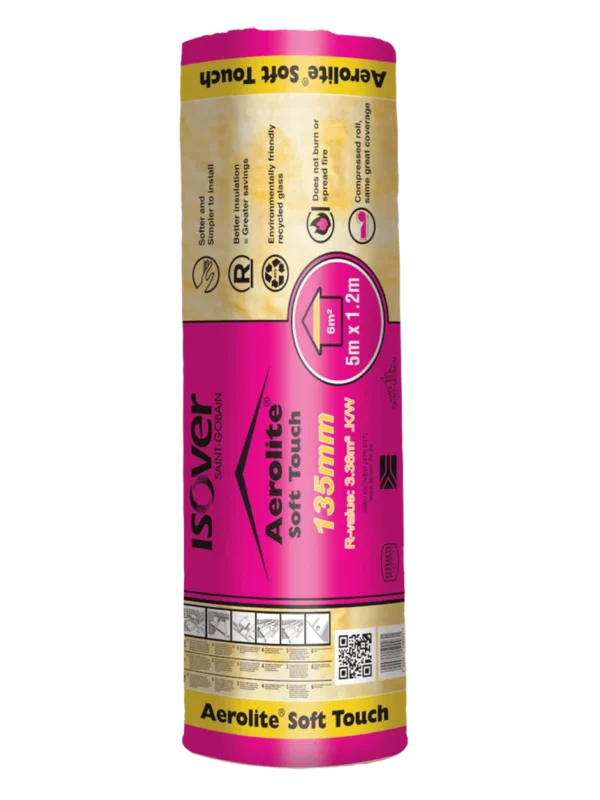
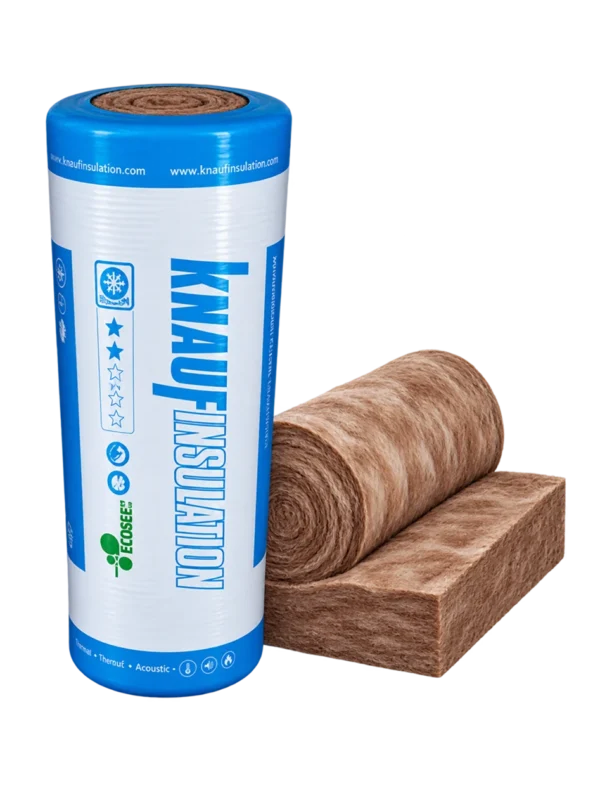
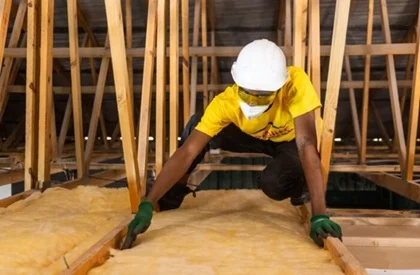
Aerolite Ceiling Insulation
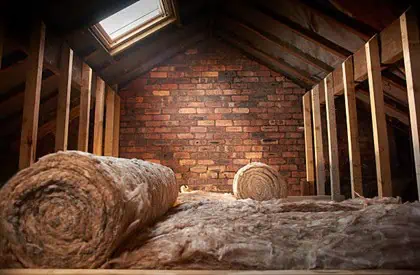
Knauf Ceiling Insulation
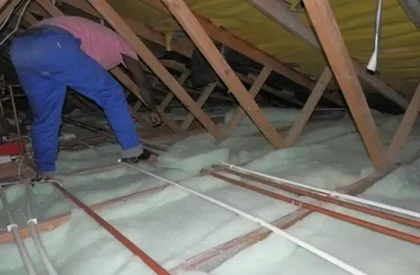
Isotherm Ceiling Insulation
Ceiling Insulation Prices and Products in South Africa
Ceiling insulation is one of the most effective ways to reduce unwanted heat transfer through a roof. A properly selected and correctly installed product helps limit heat entering rooms during summer and slows indoor heat escaping during winter. The result is a more stable and comfortable indoor temperature throughout the year.
Roof Insulations supplies three leading ceiling-insulation ranges: Aerolite Soft Touch, Knauf Ceiling Roll with ECOSE® Technology and Isotherm polyester insulation. Each product has different thicknesses, roll dimensions, coverage, fire characteristics and handling properties.
The product grid above displays current roll prices. Select a product to compare the available thicknesses and see the price, coverage and R-value for each variation. Because insulation prices can change, the individual product page and selected variation should remain the authoritative source for current pricing. Compare Aerolite, Knauf and Isotherm Ceiling Insulation
There is no single insulation product that is automatically best for every project. The correct choice depends on the required thermal resistance, roof construction, fire performance, acoustic requirements, installation preference and budget.
| Product | Material | Available thicknesses | Highest listed product R-value | Main reasons to consider it |
|---|---|---|---|---|
| Aerolite Soft Touch | Glasswool | 50mm, 100mm, 135mm | R3.38 | Established South African ceiling product, A1 non-combustible fire performance and strong thermal and acoustic values |
| Knauf Ceiling Roll | Glass mineral wool with ECOSE Technology | 50mm, 75mm, 100mm, 135mm | R3.38 | Large roll coverage, A1 non-combustible fire performance, low-VOC binder and soft-touch handling |
| Isotherm | Thermally bonded polyester | 50mm, 75mm, 100mm, 135mm, 145mm | R3.37 | Polyester construction, comfortable handling and a wider range of thicknesses |
These figures are product R-values, not total installed-system R-values. Roofing, air spaces, ceiling boards, thermal bridges and installation quality can all affect the performance of the complete roof assembly.
Aerolite Ceiling Insulation
Aerolite® Soft Touch is an Isover glasswool ceiling insulation available in 50mm, 100mm and 135mm options. It carries the SABS mark to SABS 1381 Part 1 and has current A1 non-combustible fire performance.
The 135mm product provides the highest thermal performance in the range at R3.38. The 50mm option is primarily suited to topping up suitable existing insulation, while the 100mm option provides an intermediate level of thermal resistance.
Aerolite also offers verified acoustic absorption, with published NRC values increasing with product thickness. It is an established choice for homeowners who want dependable thermal performance, fire safety and sound absorption through ceilings.
View Aerolite insulation prices and specifications.
Knauf Ceiling Insulation
Knauf Ceiling Roll is glass mineral wool manufactured with ECOSE® Technology, a plant-based binder containing no added formaldehyde or phenol. It is naturally brown, low dust, soft to the touch and certified for low VOC emissions through Eurofins Indoor Air Comfort Gold.
Knauf is available in 50mm, 75mm, 100mm and 135mm thicknesses. Its roll coverage is generally more extensive than the equivalent Aerolite roll, which can reduce the number of rolls that need to be handled on a project. The 135mm option provides a South African product R-value of R3.38.
Knauf Ceiling Roll is non-combustible with an A1 reaction-to-fire classification. It also contains up to 80% recycled glass content according to the current manufacturer documentation.
View Knauf insulation prices and specifications.
Isotherm Polyester Insulation
Isotherm is manufactured from thermally bonded polyester fibres and is commonly chosen by customers who prefer the feel and handling characteristics of polyester insulation. It is available in 50mm, 75mm, 100mm, 135mm and 145mm options.
The stocked higher-density 145mm Isotherm product has a listed product R-value of R3.37, which is close to the 135mm Aerolite and Knauf options. Lower-density Isotherm variants provide lower thermal resistance and should be compared using verified density and R-value information rather than thickness alone.
Isotherm has different fire and acoustic characteristics from non-combustible glass mineral wool. The latest product certificate and the requirements of the intended building should be checked where fire classification is important.
View Isotherm insulation prices and specifications.
Ceiling Insulation Thickness Guide
Insulation thickness is one of the main factors affecting thermal performance, but products of the same thickness do not always have the same R-value. Material type, density and thermal conductivity also matter.
50mm Ceiling Insulation
The 50mm products provide the lowest thermal resistance in these ranges. They can be useful for topping up suitable existing insulation, working in restricted spaces or achieving a moderate improvement where the complete roof design permits it.
Fifty millimetres should not automatically be treated as sufficient for a new ceiling-insulation project. Check the product R-value and required total roof-system performance first.
75mm Ceiling Insulation
Seventy-five millimetres provides an intermediate thickness and is available in the Knauf and Isotherm ranges. The R-value can differ significantly between the two products, demonstrating why thickness alone is not an adequate comparison.
This size can be useful for upgrade projects and restricted roof spaces, but it should be specified according to the required thermal performance rather than treated as a universal standard.
100mm Ceiling Insulation
One hundred millimetres offers a meaningful performance improvement over thinner products. The published product R-value is R2.50 for Knauf, R2.50 for Aerolite and R2.33 for the stocked higher-density Isotherm option.
This thickness may suit certain climate zones, upgrade projects and budgets. Whether it is sufficient depends on the complete roof construction and applicable energy-efficiency requirements.
135mm and 145mm Ceiling Insulation
The thickest standard products provide the strongest thermal resistance in these ranges:
-
135mm Aerolite: product R-value R3.38.
-
135mm Knauf: product R-value R3.38.
-
135mm Isotherm: product R-value R3.14.
-
145mm Isotherm: product R-value R3.37.
For customers prioritising year-round comfort and maximum thermal performance, these are normally the first options to compare. Product cost, roll coverage, fire classification, acoustic performance and installation quality should then determine the final choice.
Understanding Ceiling Insulation R-Values
An R-value measures resistance to heat flow. A higher number indicates greater resistance and therefore stronger thermal-insulation performance under the stated test conditions.
R-values should be compared on the same basis. A product R-value describes the insulation itself. A roof-system R-value can include the insulation, ceiling board, roof covering, air spaces and other construction layers. Mixing product and system figures can make one option appear better than another when the figures are not directly comparable.
SANS 10400-XA addresses energy use in buildings and applies thermal requirements to complete roof assemblies according to factors including the relevant climate zone. The insulation normally provides the largest portion of the total R-value, but the product alone does not guarantee compliance.
For a fuller explanation, read our roof-insulation R-value guide.
Glass Mineral Wool or Polyester Insulation?
Aerolite and Knauf are glass mineral wool products, while Isotherm is polyester. Both material types can reduce heat transfer when the correct product is installed properly, but their characteristics are different.
Glass mineral wool generally provides strong, verified thermal and acoustic performance together with non-combustible options. Modern Aerolite and Knauf products are softer and easier to handle than older glasswool, although sensible protective clothing and equipment remain advisable.
Polyester is often chosen for its soft feel and handling comfort. However, buyers should compare its verified density, R-value and fire classification with the equivalent glass mineral wool thickness rather than assuming that equal thickness means equal performance.
For more detailed brand comparisons, read:
Thermal Comfort During Summer and Winter
Heat naturally moves from warmer areas towards cooler areas. On hot days, the roof covering and roof space can reach temperatures well above the temperature inside the home. Without adequate ceiling insulation, part of that heat transfers into the rooms below.
During winter, the direction reverses. Heat generated inside the home moves towards the colder roof space and outside air. Ceiling insulation slows this heat flow in both directions.
Correctly installed insulation can therefore provide several practical benefits:
-
Reduced summer heat gain through the ceiling.
-
Slower winter heat loss.
-
More stable temperatures between rooms.
-
Less dependence on fans, heaters and air conditioning.
-
Improved acoustic comfort through the ceiling.
Exact electricity savings cannot be guaranteed because they depend on the building, climate, occupancy and heating or cooling equipment. The reliable benefit is reduced heat transfer and improved indoor comfort.
How Much Ceiling Insulation Do You Need?
Measure the ceiling length and width in metres and multiply them to calculate the ceiling area in square metres. Divide that area by the coverage per roll shown on the selected product page and round up to the next whole roll.
For example, a simple 120m² ceiling would require at least:
-
20 rolls of 135mm Aerolite at 6m² per roll.
-
14 rolls of 135mm Knauf at 9m² per roll.
-
20 rolls of 145mm Isotherm at 6m² per roll.
This example compares the number of rolls, not the total product cost. Roof shape, access, obstructions and offcuts can change the quantity required, so allow for reasonable wastage where necessary.
Professional Installation and DIY Projects
Ceiling insulation will only achieve its intended performance when it is installed evenly, without unnecessary gaps or compression. Common problems include missed corners, insulation bunched around roof timbers, compressed material, unsafe treatment around recessed lights and incomplete coverage near the eaves.
Before installation:
-
Repair roof leaks and allow the roof space to dry.
-
Inspect electrical wiring and recessed lights.
-
Measure the spacing between roof timbers.
-
Use crawl boards and never stand directly on ceiling boards.
-
Follow the manufacturer’s handling and protective-equipment guidance.
A capable person can install roll insulation in an accessible roof space, but professional installation is advisable where access is difficult or electrical and downlight risks are present. Read our guide on how to install ceiling insulation correctly.
Professional installation is available through Cape Ceilings & Drywalling in Cape Town and surrounding Western Cape areas.
Nationwide Ceiling Insulation Delivery
Roof Insulations supplies ceiling-insulation products throughout South Africa. Delivery cost and availability depend on the destination, order size and access requirements. Insulation rolls are lightweight but bulky, so large orders require appropriate transport planning and sufficient dry storage space.
Select a product above to view its current price and available thicknesses. For a large order, difficult delivery location or uncertain quantity, contact us before checkout so the order can be checked.
Why Buy From Roof Insulations?
Roof Insulations has more than 36 years of insulation experience across residential, commercial and industrial applications. That practical experience allows us to help customers compare products according to verified performance and the requirements of the building—not marketing claims alone.
Customers benefit from:
-
Genuine Aerolite, Knauf and Isotherm products.
-
Verified thickness, coverage and R-value information.
-
Practical quantity guidance.
-
Nationwide delivery.
-
Professional Cape Town installation through our installation company.
-
Assistance for homes, renovations and larger projects.
Browse the products above or contact us if you need help selecting the most suitable ceiling insulation.
Ceiling Insulation Frequently Asked Questions
What is the best ceiling insulation in South Africa?
There is no universal best product. Aerolite and Knauf offer strong verified thermal and acoustic performance with A1 non-combustible fire classifications. Isotherm is often chosen for polyester construction and handling comfort. Compare the required R-value, fire performance, roll coverage and total project cost.
Which ceiling-insulation thickness should I choose?
For stronger thermal performance, compare 135mm Aerolite, 135mm Knauf and 145mm Isotherm. Thinner options may suit top-ups, restricted spaces or specific roof designs. The final choice should consider the climate zone and complete roof-system R-value.
How much does ceiling insulation cost per square metre?
The cost varies according to product, thickness and roll coverage. Divide the current roll price by its coverage to calculate the material price per square metre. Installation and delivery are additional where required.
Does ceiling insulation work in summer and winter?
Yes. It reduces heat gain through the ceiling during hot weather and slows heat loss during cold weather, helping maintain more stable indoor temperatures throughout the year.
Is thicker ceiling insulation always better?
Greater thickness normally increases the R-value within the same product range, but material type and density also matter. Compare verified product R-values rather than thickness alone.
Can new insulation be installed over existing insulation?
Yes, when the existing material is dry, safe and in serviceable condition. Wet, damaged, contaminated or pest-affected insulation should be assessed first, and roof defects must be repaired before adding a new layer.
Is ceiling insulation fireproof?
No insulation makes an entire building fireproof. Aerolite and Knauf provide A1 non-combustible options. Polyester products have different fire classifications and should be checked against the building’s requirements.
Does ceiling insulation provide soundproofing?
Bulk insulation absorbs sound and can improve acoustic comfort, but it is not a complete soundproofing system. Effective sound isolation depends on the entire ceiling or wall assembly.
Can I install ceiling insulation myself?
A capable person can install it with suitable tools, protective equipment and roof-space safety knowledge. Professional installation is recommended where roof access, wiring, recessed lights or compliance requirements create additional risks.
How do I calculate how many rolls I need?
Calculate the ceiling area in square metres, divide it by the coverage per roll and round up to the next whole roll. Allow for irregular areas and reasonable cutting waste.
Do you deliver ceiling insulation nationwide?
Yes. Roof Insulations delivers products throughout South Africa. Delivery charges depend on order size, destination and access requirements.
Do you install ceiling insulation?
Professional installation is available through Cape Ceilings & Drywalling in Cape Town and surrounding Western Cape areas.