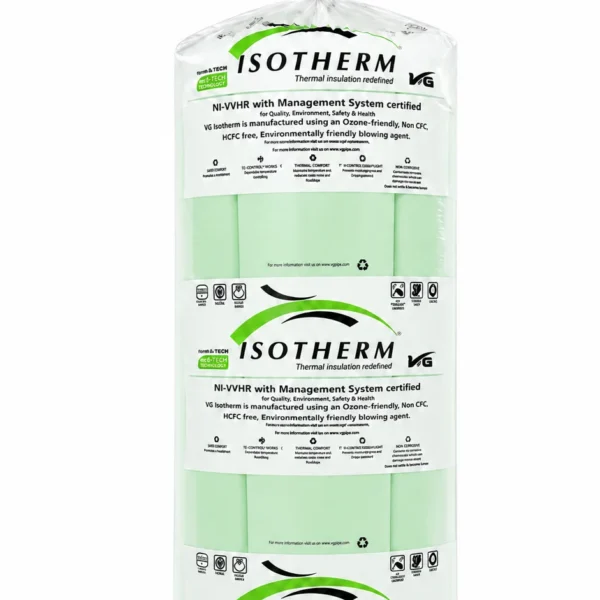
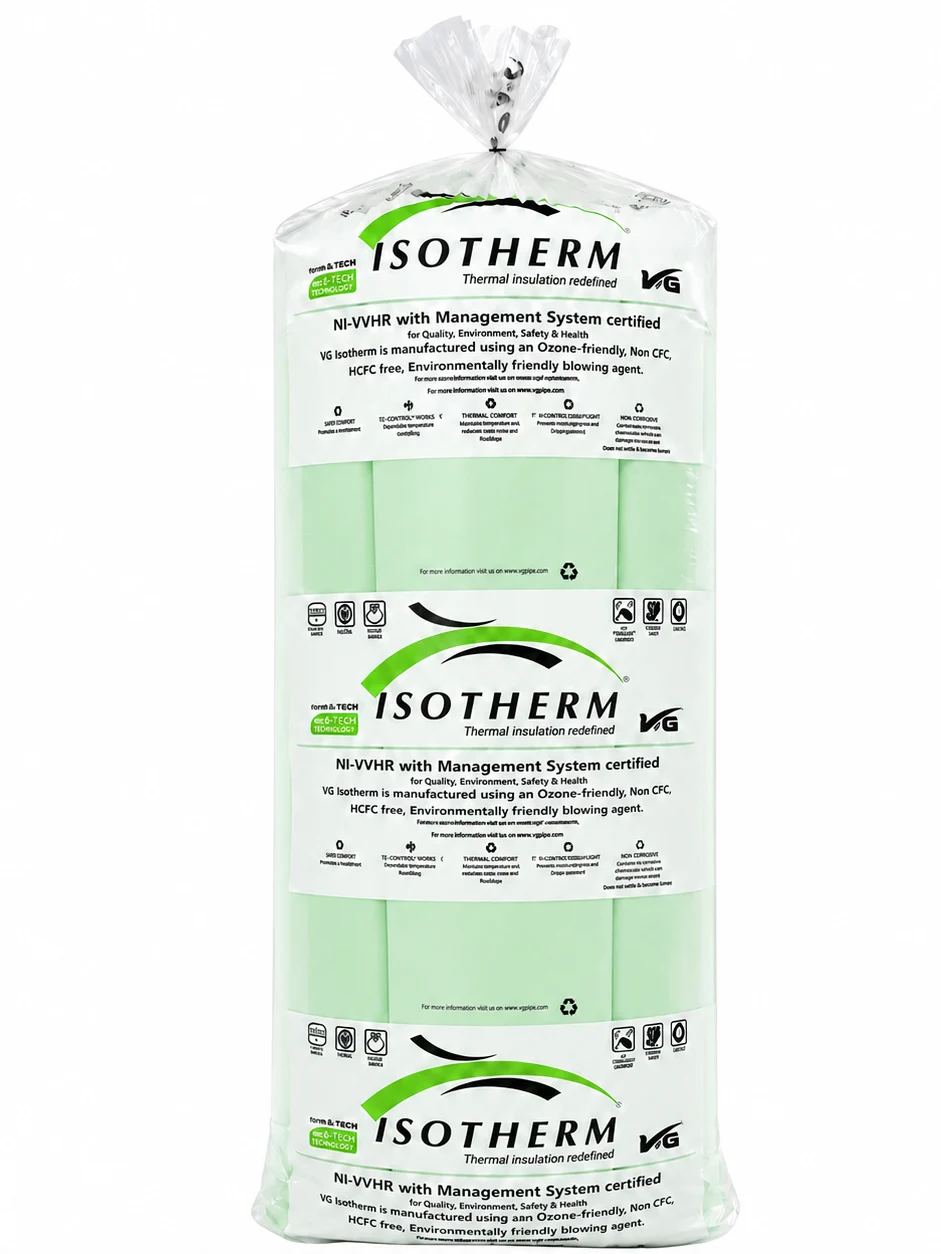

Isotherm Insulation
Price range: R466.03 through R741.38
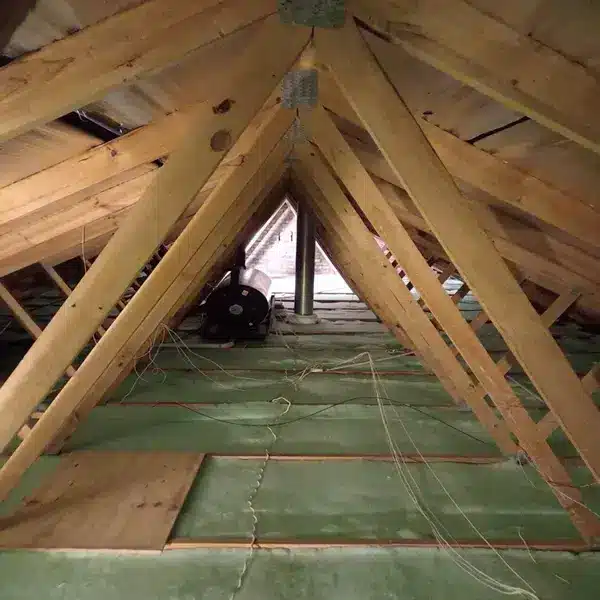
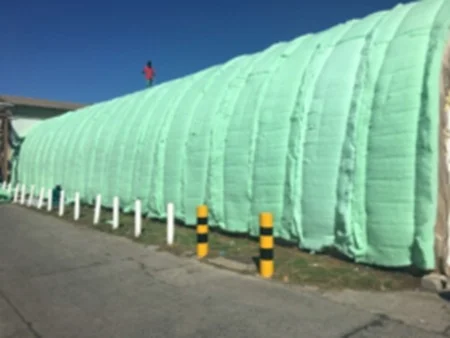
Isotherm Insulation is a soft polyester ceiling insulation manufactured from thermally bonded fibres made using recycled PET bottles. It is comfortable to handle, contains no loose glass fibres and is available in 50mm, 75mm, 100mm, 135mm and 145mm thicknesses. Select a thickness above to see the current Isotherm insulation price for that roll. Thicker options provide greater resistance to heat transfer, while the thinner rolls suit supplementary insulation and applications where available space is limited. Delivery and professional installation advice are available.
✓ SABS-Approved Insulation Products
✓ Fast Delivery in Cape Town
✓ Professional Installation Available
Need Ceiling Insulation Installed?
“Their experienced teams install Aerolite and other ceiling insulation products…”
Isotherm Insulation South Africa – Prices, Sizes and Practical Advice
Isotherm Insulation is one of South Africa’s established polyester insulation products. It is manufactured from thermally bonded polyester fibres made using recycled PET bottles and is designed for use in ceilings, roofs, walls and other suitable building applications. The fibres trap still air within the material, slowing the movement of heat through the insulated area.
In a properly installed ceiling, Isotherm helps reduce unwanted summer heat gain and slows winter heat loss. This can create a more stable indoor temperature and reduce dependence on heating and cooling. Results depend on the thickness, building construction and installation quality.
Isotherm is particularly popular with homeowners and installers who prefer a soft, low-irritation polyester product. It does not contain loose glass fibres and is easy to roll out, cut and fit around roof timbers. It is also widely considered for renovation work and occupied homes where handling comfort and low dust are important.
Roof Insulations supplies five online thickness options: 50mm, 75mm, 100mm, 135mm and 145mm. Each has a different roll length, coverage and R-value. Buyers should therefore compare square metres and thermal resistance rather than choosing only by the price per roll.
What Is Isotherm Insulation Made From?
Isotherm is made from 100% thermally bonded polyester. The polyester fibre is produced using recycled PET bottles, and the finished insulation is recyclable. Unlike glass mineral wool or glasswool, Isotherm does not rely on glass fibres to form its insulating structure.
Thousands of polyester fibres create small pockets of trapped air. Air is a poor conductor of heat when it is held still, so these pockets help resist heat transfer through the ceiling or wall. The thicker the insulation layer, the longer the path heat must travel and the higher the product’s thermal resistance normally becomes.
The manufacturer describes Isotherm as non-allergenic, non-irritant and pleasant to handle. It is consequently popular with customers who are sensitive to loose fibres or intend to complete a careful DIY installation. Suitable clothing, gloves, eye protection and a dust mask are still sensible because roof spaces contain other dust and irritants.
Key Benefits of Isotherm Ceiling Insulation
Isotherm offers a useful combination of thermal performance, comfortable handling and recycled material content.
- Recycled polyester construction: The fibres are produced using recycled PET bottles, and the finished product is recyclable.
- Comfortable handling: The soft polyester material contains no loose glass fibres and is easy to roll out and cut.
- Low irritation: The manufacturer describes the product as non-allergenic and non-irritant.
- Useful thermal resistance: The 135mm and 145mm options provide the strongest thermal performance in the online range.
- Low moisture absorption: Manufacturer testing states that the material absorbs no more than 2% moisture by mass under the referenced test conditions.
- Retains its loft: When correctly installed and protected, the polyester fibre structure is intended to retain its thickness rather than collapse over time.
- Suitable for new and existing ceilings: Rolls can be installed during construction or added to accessible roof spaces as an upgrade.
- Easy to cut around roof timbers: The flexible material can be shaped around trusses and other obstructions without leaving unnecessary gaps.
- No loose glass fibres: This is one of the main reasons some homeowners prefer polyester insulation for occupied homes and DIY work.
Gaps, compression and incomplete coverage reduce the benefit of any bulk insulation. Isotherm should be installed continuously and kept at its intended thickness.
Isotherm Sizes, Coverage and R-Values
The table below separates the product R-value from the total R-value including the roof and ceiling assembly. These figures should not be mixed. The product R-value describes the insulation itself. The total figure includes an additional allowance for the associated roof and ceiling construction used in the manufacturer’s published table.
| Thickness | Nominal density | Stocked roll size | Coverage per roll | Product R-value | Total R-value including roof and ceiling assembly |
|---|---|---|---|---|---|
| 145mm | 11.5 kg/m³ | 5m × 1.2m | 6m² | R3.37 | R3.77 |
| 135mm | 11.5 kg/m³ | 5m × 1.2m | 6m² | R3.14 | R3.54 |
| 100mm higher-density option | 11.5 kg/m³ | 6m × 1.2m | 7.2m² | R2.33 | R2.73 |
| 75mm | 8.5 kg/m³ | 8m × 1.2m | 9.6m² | R1.18 | R1.58 |
| 50mm | 8.5 kg/m³ | 10m × 1.2m | 12m² | R0.79 | R1.19 |
R-values are expressed in m²·K/W and are nominal manufacturer specifications. Isotherm also manufactures a standard-density 100mm product with a lower R-value, so the density of the 100mm roll supplied must be confirmed. The completed building value is also influenced by the roof, ceiling, air spaces, thermal bridges and workmanship. Regulated work must follow the applicable plans and current South African building standards.
Which Isotherm Thickness Should You Choose?
The correct thickness depends on the required thermal resistance, available space, design and budget. Thicker insulation normally performs better, but it must fit without compression.
145mm Isotherm Insulation
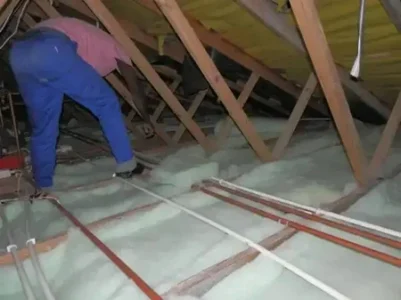
The 145mm option provides the highest R-value in the stocked range. Each 5m × 1.2m roll covers 6m². Its product R-value is R3.37, while the manufacturer’s total figure including the associated roof and ceiling assembly is R3.77. Choose it where strong thermal resistance and adequate ceiling space take priority over the lowest initial price.
135mm Isotherm Insulation
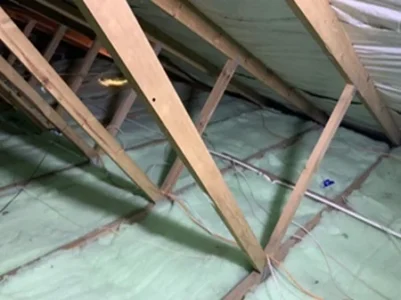
The 135mm roll is a strong residential option with a product R-value of R3.14. It measures 5m × 1.2m and covers the same 6m² as the 145mm roll. The choice therefore depends on the required performance, available space and price; 145mm provides the higher R-value.
100mm Isotherm Insulation
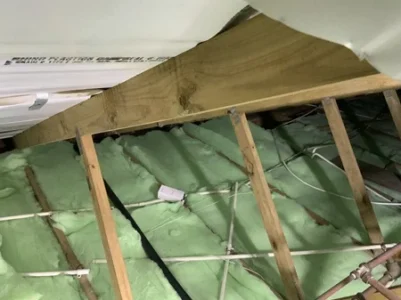
The 100mm roll provides a middle ground and covers 7.2m². Isotherm manufactures more than one 100mm density. The higher-density 11.5 kg/m³ version has product R2.33, while the standard-density version is lower. Confirm the supplied density rather than assuming every 100mm roll performs identically.
75mm Isotherm Insulation
The 75mm roll measures 8m × 1.2m, covers 9.6m² and has product R1.18. It suits restricted cavities, selected walls, garages and supplementary layers. It is not a direct substitute for 135mm or 145mm ceiling insulation where a high total R-value is required.
50mm Isotherm Insulation
The 50mm roll covers 12m² but has the lowest thermal resistance in the range at product R0.79. It is intended for supplementary layers, certain walls or cavities and severely restricted spaces—not as an equivalent replacement for full-thickness residential ceiling insulation.
Understanding Isotherm Insulation Prices
Select a thickness at the top of the page to see its current price. Because supplier and transport costs change, the live product variation should remain the primary price reference.
When comparing options, consider the following:
- Price per roll
- Square metres covered by each roll
- Product R-value
- Required total R-value for the project
- Number of rolls needed for full coverage
- Delivery cost and destination
- Whether professional installation is required
To estimate rolls, divide the ceiling area by the coverage per roll, round up and allow for cutting waste. A straightforward 60m² ceiling requires approximately ten 6m² rolls before project-specific waste. A cheaper, thinner roll may be a false economy if it cannot deliver the required thermal resistance.
Thermal Performance in South African Homes
Roofs and ceilings are major paths for heat gain and loss. Isotherm slows this movement by trapping air within its polyester fibre structure. A continuous layer can moderate temperature swings and reduce the workload placed on heating and cooling equipment. Results vary with roof colour, ceiling type, ventilation, windows, shading and local climate, so no responsible supplier should promise the same percentage saving for every property.
Fire Performance: What Buyers Should Know
Isotherm has been tested in accordance with SANS 428 and carries a B/B 1/2 fire-performance classification. The manufacturer also states that testing to ASTM E84 recorded nil spread of flame and that testing to BS 5803 Part 4 found that the product does not smoulder.
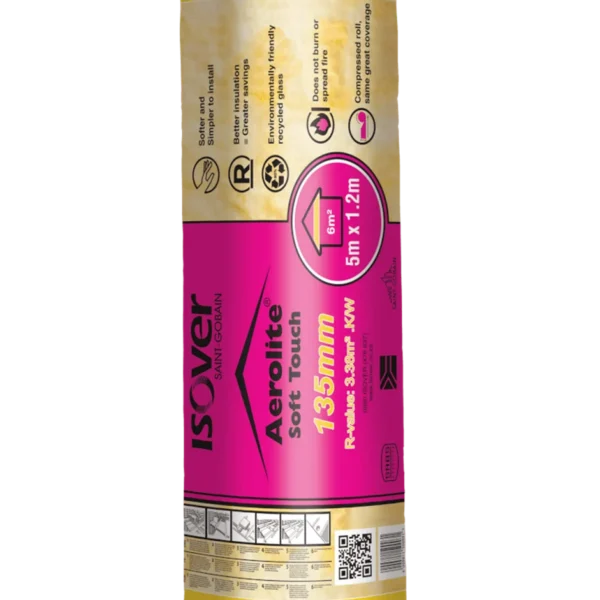
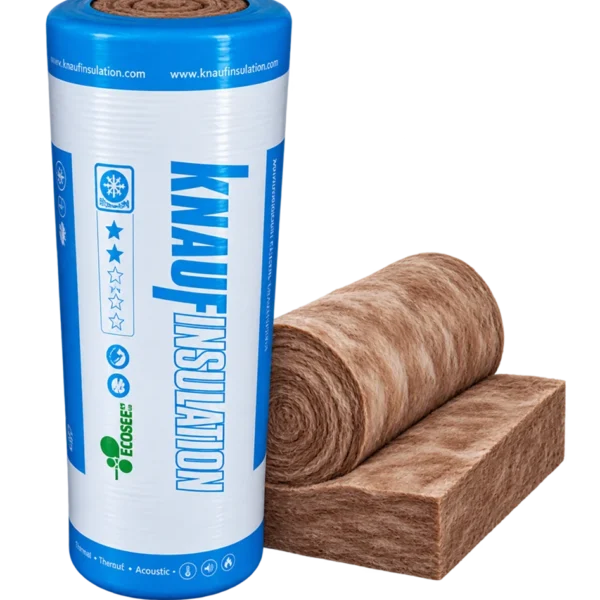
This classification should not be confused with an A/A non-combustible classification. Isotherm is a polyester product, whereas suitable glass mineral wool products such as Knauf and Aerolite offer different fire characteristics. If achieving the highest available fire classification is the main priority for a project, compare the certified performance of all shortlisted products before purchasing.
Fire safety depends on the complete building system, not the insulation alone. Installation around downlights, electrical equipment, chimneys and other heat-producing components must follow the relevant product instructions and applicable regulations. Where there is uncertainty, obtain advice from a competent installer or electrician before work begins.
Moisture, Condensation and Roof Leaks
The manufacturer reports that Isotherm absorbs no more than 2% moisture by mass under the referenced test conditions. Polyester is also resistant to condensation-related fungi and bacteria, which is beneficial in suitable roof and wall applications.
That does not make the product a substitute for waterproofing. Roof leaks should be repaired promptly, and insulation should be stored dry before installation. Persistent water entry can damage ceilings, timber, electrical components and other building materials even when the polyester fibre itself has low moisture absorption.
In coastal areas, good roof maintenance and ventilation remain important. Insulation performs best when the roof covering, flashings and waterproofing are sound, and the roof space is managed correctly.
Isotherm Installation Advice
Correct installation is essential. A high-quality product installed with gaps or heavy compression will not provide the result shown by its nominal specifications.
For reliable coverage:
- Measure the ceiling area and roof layout before ordering.
- Select a thickness that meets the project requirement and fits without compression.
- Lay the material continuously and close adjoining edges neatly.
- Cut around trusses and services rather than leaving large uncovered areas.
- Keep the roll at its full intended thickness wherever possible.
- Follow applicable safety requirements around electrical and heat-producing components.
- Repair active roof leaks before installing new ceiling insulation.
- Avoid unnecessary storage compression and allow the material to recover its loft before final placement.
Confident DIY customers may find Isotherm easier to handle than traditional glass-fibre products. Roof-space work is still physically demanding and may involve fragile ceilings, restricted access, electrical hazards and intense heat. Professional installation is the safer option where access is difficult, or the installer is unfamiliar with ceiling construction.
Professional installation is available through Cape Ceilings & Drywalling in Cape Town and surrounding areas. The team can assess access, roof structure, coverage and the practical thickness for the building before quoting.
Isotherm Compared With Knauf and Aerolite
Isotherm, Knauf and Aerolite can all reduce heat transfer when correctly specified and installed, but they are not identical products.
| Feature | Isotherm | Knauf / Aerolite glass mineral wool |
|---|---|---|
| Main material | Thermally bonded polyester | Glass mineral wool or glasswool |
| Recycled content | Produced using recycled PET bottles | Produced using recycled glass and other raw materials, depending on product |
| Handling | Soft and generally comfortable | Modern products are softer than older glasswool, but sensible PPE is recommended. |
| Fire classification | B/B 1/2 | Selected products offer A/A non-combustible performance |
| Acoustic use | Provides some sound absorption | Often preferred where stronger tested acoustic absorption is required |
| Main reason to choose | Polyester construction and handling comfort | Fire performance, acoustic performance and thermal value options |
The purpose of this summary is not to declare one product suitable for every customer. Buyers prioritising soft polyester and comfortable handling may prefer Isotherm. Buyers placing the greatest emphasis on non-combustible fire performance or tested acoustic absorption should also examine Knauf and Aerolite.
For fuller comparisons, see Knauf vs Isotherm Insulation and Aerolite vs Isotherm Insulation.
Why Buy Isotherm From Roof Insulations?
Insulation should be selected according to real requirements, not slogans. Roof Insulations has more than 36 years of industry experience across residential, commercial and industrial applications. That practical background helps us identify when Isotherm is a suitable choice and when another insulation may better serve the customer’s priorities.
Customers receive:
- Practical product and thickness advice
- Clear roll coverage and R-value information
- Access to established South African insulation brands
- Competitive product pricing
- Delivery quotations based on destination and order size
- Professional installation assistance in Cape Town and surrounding areas
- Help comparing polyester, glass mineral wool and rigid insulation options
- Support calculating quantities for straightforward projects
Select the required thickness above to see the current price, or contact us if you need help calculating rolls, comparing products or arranging installation.
Frequently Asked Questions About Isotherm Insulation
Is Isotherm insulation made from recycled plastic bottles?
Yes. Isotherm is manufactured from thermally bonded polyester fibre produced using recycled PET bottles. The manufacturer also states that the finished polyester insulation is recyclable. This recycled content is one of the primary reasons customers consider Isotherm when environmental material choices are important.
Does Isotherm insulation cause itching?
Isotherm contains no loose glass fibres and is generally comfortable to handle. The manufacturer describes it as non-allergenic and non-irritant. However, roof spaces can contain building dust, old insulation, timber particles and animal debris. Gloves, eye protection, suitable clothing and a dust mask remain sensible during installation.
What is the best Isotherm thickness for a home?
The 135mm and 145mm options provide the highest product R-values in the online range and are generally the first options to consider when strong ceiling performance is required. The correct selection still depends on the project’s required total R-value, roof space, climate, construction and budget. If space and budget allow, 145mm provides the highest R-value of the stocked Isotherm sizes.
What is the R-value of 145mm Isotherm?
The manufacturer’s specification table lists a product R-value of R3.37 for 145mm Isotherm at a nominal density of 11.5 kg/m³. The table also lists a total R-value of R3.77 when the associated roof and ceiling assembly allowance is included. These are different measurements and should be labelled correctly.
How much area does one roll cover?
Coverage depends on thickness. The 145mm and 135mm rolls cover 6 m² each. The 100mm roll covers 7.2m², the 75mm roll covers 9.6m², and the 50mm roll covers 12m². Always round the calculated quantity up to full rolls and consider the cutting waste created by the roof layout.
Is Isotherm waterproof?
Isotherm has low moisture absorption, but it should not be described as a waterproofing product. The manufacturer reports moisture absorption of no more than 2% by mass under the referenced test. Active roof leaks should still be repaired before insulation is installed, and stored rolls should be kept dry.
Is Isotherm fireproof?
No insulation should be called fireproof without a precise certified basis. Isotherm is classified B/B 1/2 when tested in accordance with SANS 428. The manufacturer also reports nil spread of flame under ASTM E84 testing and states that the product does not smoulder under BS 5803 Part 4. This is not the same classification as A/A non-combustible glass mineral wool.
Can Isotherm be installed in an existing home?
Yes, provided the ceiling and roof space are accessible and in suitable condition. Existing insulation, electrical services, downlights, water tanks, restricted access and fragile ceiling boards can complicate the work. The area should be assessed before ordering, especially when professional installation is required.
Can I install Isotherm myself?
The material is flexible and comparatively easy to cut, so careful DIY installation is possible. The main challenge is working safely and achieving complete coverage in a confined roof space. Gaps and compression reduce performance. Professional installation is recommended for difficult roofs, large areas and anyone unfamiliar with ceiling structures.
Does Isotherm reduce noise?
The polyester fibre structure can absorb some sound, but the result depends on thickness, density, ceiling construction and the type of noise. If maximum acoustic control is the main objective, compare tested NRC values and consider dedicated acoustic or higher-density glass mineral wool products rather than relying only on general insulation claims.
How long does Isotherm last?
The manufacturer states that Isotherm retains its loft and will not collapse over time when correctly used. Actual service life depends on correct installation, protection from roof leaks, physical disturbance, pests and building maintenance. Insulation should be inspected whenever significant roof or ceiling work is undertaken.
How do I calculate the number of rolls required?
Measure the ceiling length and width to calculate square metres, then divide the total area by the coverage of the selected roll. Round the answer up to the next complete roll and allow for reasonable cutting waste. Complex roof layouts, separate rooms and inaccessible sections may require an on-site assessment for an accurate quantity.
Get the Correct Isotherm Insulation for Your Project
Choose your required thickness at the top of the page to view the current Isotherm insulation price and add the product to your basket or quotation. If you are unsure about thickness, quantity, delivery or installation, contact Roof Insulations before ordering. Good advice at the start is far cheaper than buying an unsuitable product or discovering that there is not enough material to complete the ceiling properly.
For other options, browse our full ceiling insulation range or compare Knauf Insulation and Aerolite Insulation.
-

145mm Isotherm Ceiling Insulation
Original price was: R797.15.R699.85Current price is: R699.85. -
Aerolite Insulation
Price range: R422.73 through R616.17 Select options This product has multiple variants. The options may be chosen on the product page -
135mm Knauf Insulation
Original price was: R1,185.41.R927.19Current price is: R927.19.