Isoboard Ceilings
Price range: R151.37 through R1,035.00
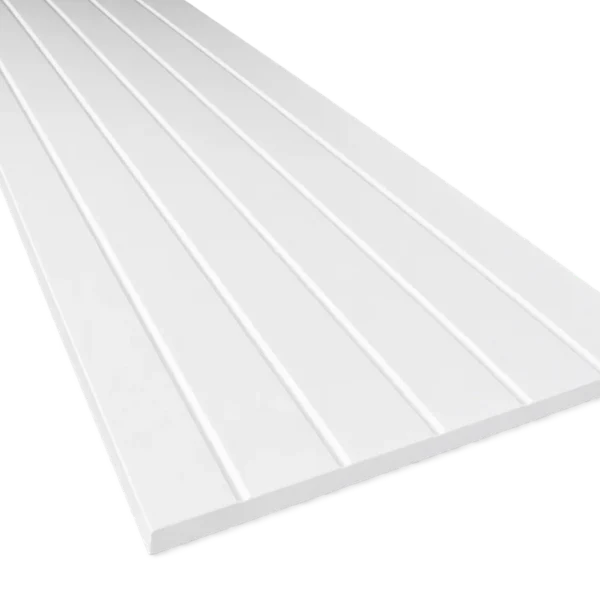
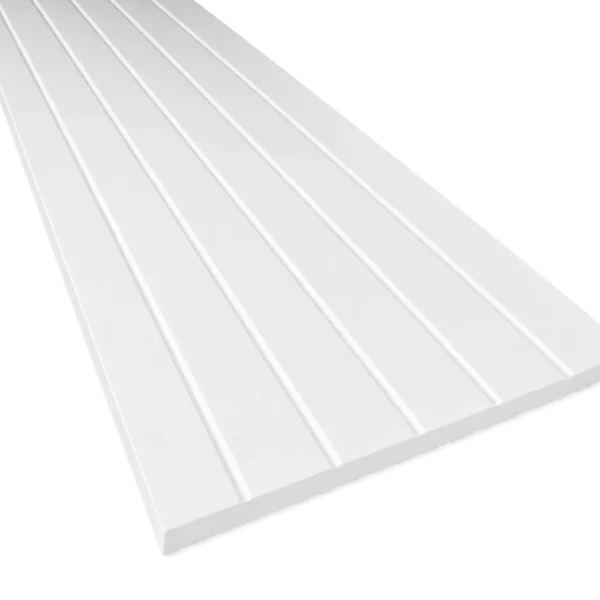
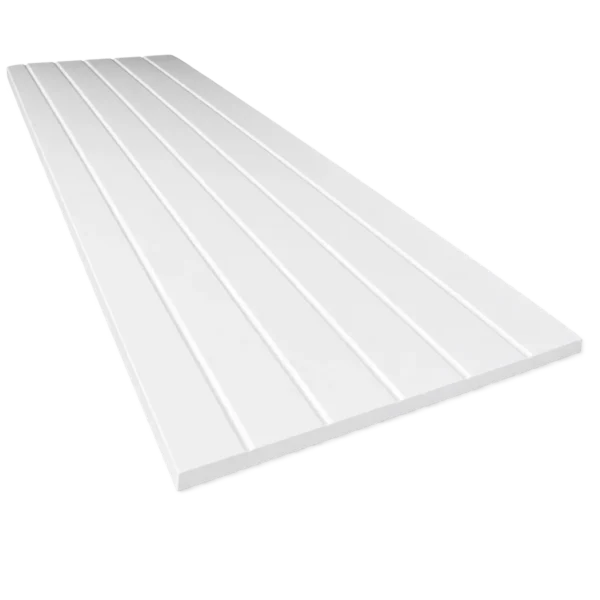
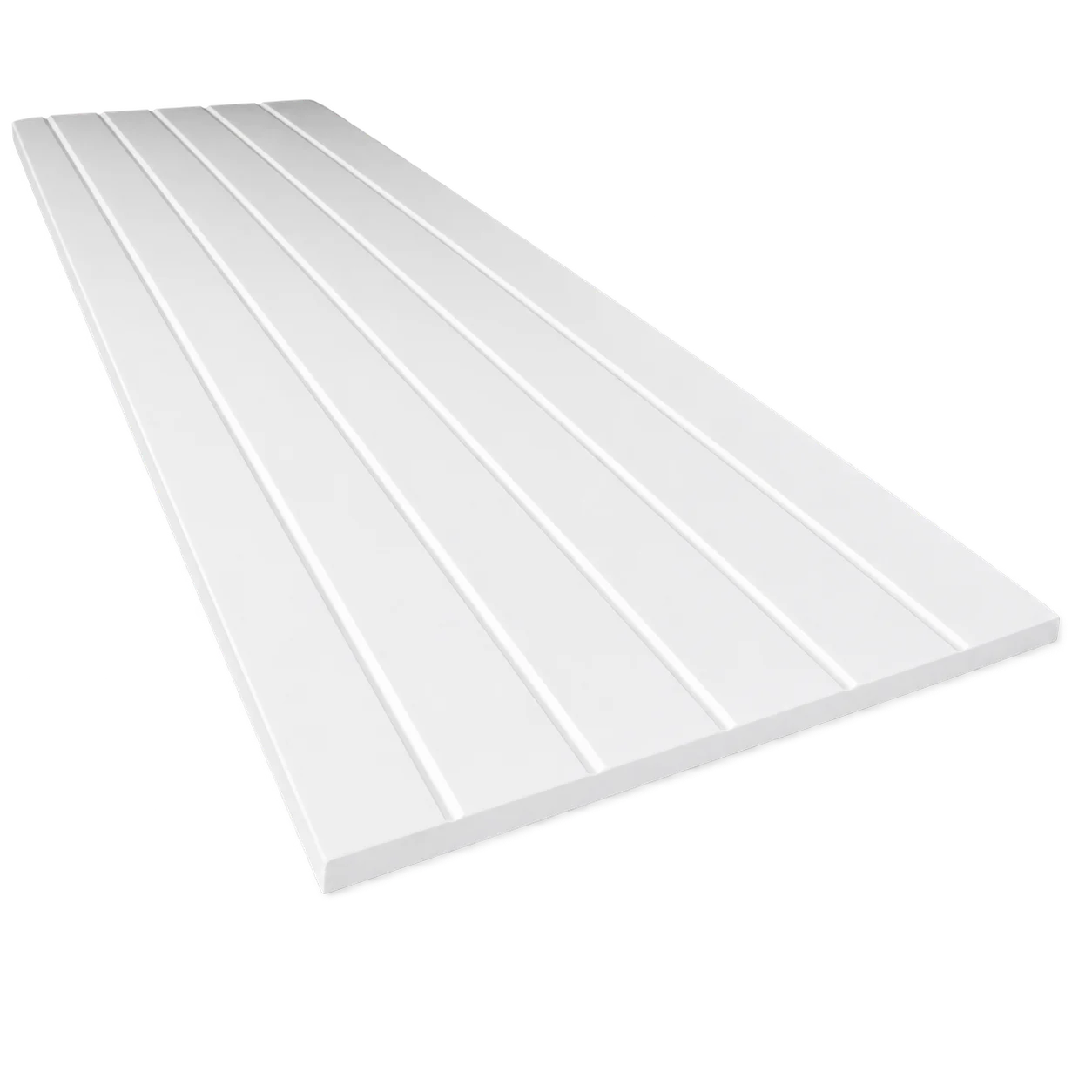
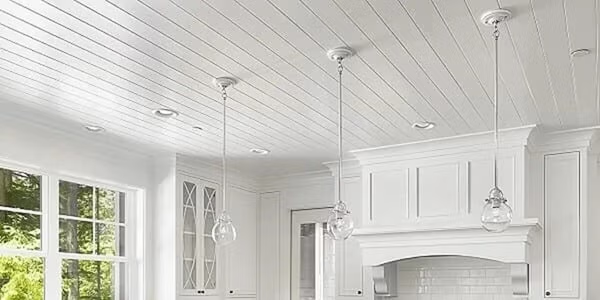
IsoBoard ceilings combine a neat, paintable ceiling surface with XPS thermal insulation in one lightweight board. Choose 30mm, 40mm, 50mm or 80mm thickness and one of the listed lengths from 1.8m to 8m, then select both options above to view the current price. The tongue-and-groove profile helps form a continuous insulated ceiling, while the closed-cell material offers very low water absorption. Suitable for new ceilings, exposed-beam designs and selected retrofit applications. Nationwide delivery and professional installation in Cape Town and surrounding areas are available.
✓ SABS-Approved Insulation Products
✓ Fast Delivery in Cape Town
✓ Professional Installation Available
Need Ceiling Insulation Installed?
“Their experienced teams install Aerolite and other ceiling insulation products…”
Isoboard Ceilings South Africa – Prices, Sizes and Thermal Performance
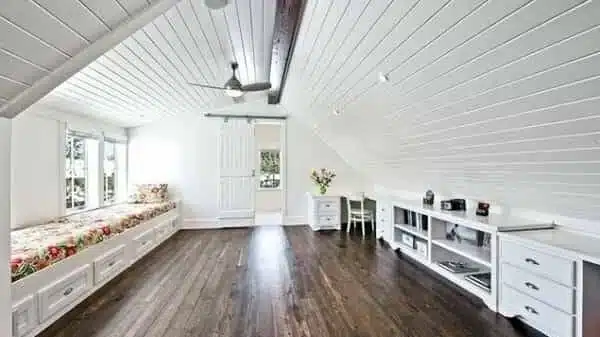
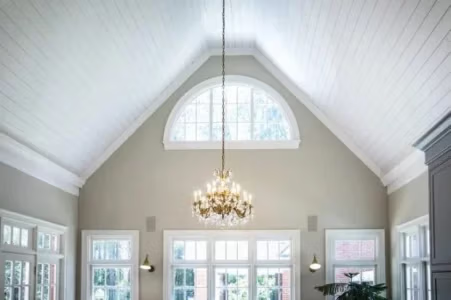
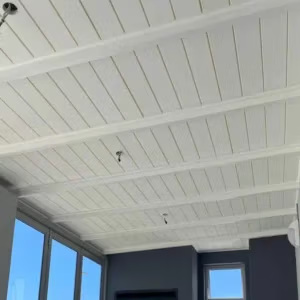
IsoBoard ceilings provide thermal insulation and a finished ceiling surface in one rigid board. This is their main advantage over conventional ceiling systems, which normally require a separate ceiling lining and insulation layer. The boards are particularly well suited to exposed-beam homes, new roofs, garages, patios, offices, commercial buildings and renovations where a clean insulated ceiling is required without sacrificing unnecessary headroom.
IsoBoard is a South African extruded polystyrene, or XPS, thermal insulation board. Its closed-cell construction gives it a high thermal resistance for its thickness, low water absorption and good dimensional stability. The boards are light enough to handle overhead, yet rigid enough to form a neat, visible ceiling when correctly supported, secured, and finished.
Roof Insulations supplies IsoBoard ceiling boards in 30mm, 40mm, 50mm and 80mm thicknesses. The product options listed above include board lengths from 1.8m to 8m, all with a nominal effective width of 600mm. Availability can vary depending on the selected thickness, length, and profile. Thicker boards and special lengths may need to be ordered in advance.
Select the required thickness and length above to see the current IsoBoard price. If you are uncertain about the correct board, quantity, finish or installation method, contact Roof Insulations before ordering. Long ceiling boards are easily damaged when handled carelessly, and their transport requirements should be confirmed before checkout.
What Is IsoBoard?
IsoBoard is a rigid, high-density XPS thermal insulation board manufactured by Isofoam South Africa. During manufacture, polystyrene is extruded into a closed-cell foam structure. The trapped gas within these small closed cells slows heat transfer through the board, while the rigid structure allows the product to retain its thickness.
The manufacturer publishes a thermal conductivity of 0.02624 W/m·K. Because the material has a consistent conductivity, increasing the board thickness increases its thermal resistance. A 50mm board therefore provides a higher product R-value than a 30mm board, while 80mm delivers the highest R-value among the four options sold on this page.
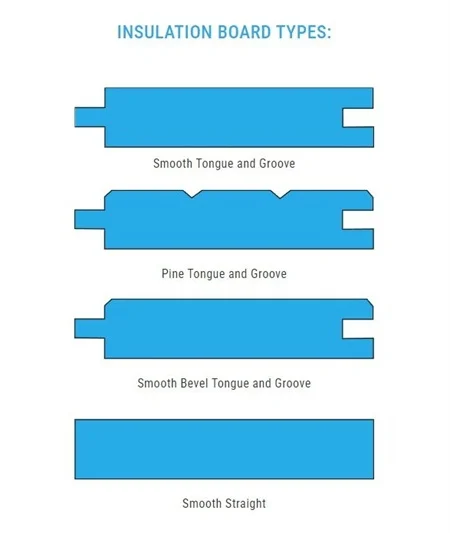
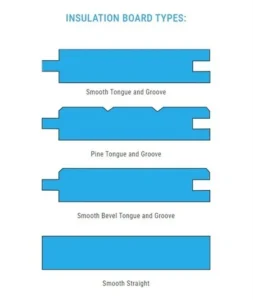
IsoBoard is manufactured with tongue-and-groove edges so adjacent boards interlock. Boards intended for visible ceiling applications should have a bevelled edge to accommodate minor thickness differences and create a deliberate joint line. Decorative IsoPine finishes with grooves at 100mm or 200mm centres may also be available for selected orders. Confirm the exact edge and surface profile before purchasing when the visual finish is important.
The natural board colour is white. For residential ceiling applications, the manufacturer recommends painting the installed boards. Only a compatible water-based paint or coating suitable for polystyrene should be used; solvent-based products can damage the surface.
Why Choose Isoboard Ceiling Boards?
IsoBoard is a practical choice when the ceiling surface and insulation need to be solved together.
- Ceiling and insulation in one board: The underside can form the visible ceiling while the board provides thermal resistance.
- Good performance in limited depth: XPS provides useful thermal resistance without the thickness required by many bulk insulation products.
- Low water absorption: The closed-cell material absorbs less than 1% water by volume under the manufacturer’s stated test conditions.
- Clean finished appearance: White, bevelled or grooved ceiling finishes can create a modern look beneath exposed beams or rafters.
- Lightweight construction: Boards are easier to lift and handle than many heavy ceiling materials, although long lengths remain fragile.
- Tongue-and-groove joints: Interlocking edges help form a more continuous insulated surface.
- Dimensional stability: Correctly specified and installed boards retain their form and do not settle like loose or flexible materials.
- Suitable for new and existing buildings: IsoBoard can be used in new roofs and in selected retrofit ceiling applications.
- Useful in humid interiors and coastal regions: The low water absorption is beneficial in kitchens, bathrooms, indoor pool areas and coastal properties, provided the complete ceiling system is correctly designed.
IsoBoard is not automatically the best choice for every ceiling. If the only objective is the highest thermal or acoustic performance at the lowest material cost, a thick glass mineral wool product may provide better value. IsoBoard earns its place where the customer wants a rigid, attractive and moisture-resistant insulated ceiling in one system.
Isoboard Sizes, R-Values and Specifications
The following thermal values are the manufacturer’s current product values. They describe the IsoBoard itself, not the total R-value of the complete roof-and-ceiling assembly.
| Thickness | Product R-value (m²·K/W) | U-value (W/m²·K) | Effective width | Listed length options |
|---|---|---|---|---|
| 30mm IsoBoard | R1.143 | 0.875 | 600mm | 1.8m to 8m |
| 40mm IsoBoard | R1.524 | 0.656 | 600mm | 1.8m to 8m |
| 50mm IsoBoard | R1.905 | 0.525 | 600mm | 1.8m to 8m |
| 80mm IsoBoard | R3.049 | 0.328 | 600mm | Confirm availability |
Published thermal conductivity: 0.02624 W/m·K
Nominal density: 32–36 kg/m³, subject to the manufacturer’s stated tolerance
Published compressive-strength range: 160–310 kPa, depending on thickness
Water absorption: Less than 1% by volume under the stated test method
Standard edge: Tongue and groove; ceiling boards should use a suitable bevelled finish
Maximum manufactured length: 8m
The complete roof performance is influenced by the roofing, ceiling board, air spaces, timber or steel thermal bridges, gaps, fixings and installation quality. A product R-value should therefore not be presented as the final R-value of every installed roof system. Regulated building work must follow the applicable plans, climate-zone requirements and current South African standards.
Which Isoboard Thickness Should You Choose?
The correct thickness depends on the required thermal performance, roof design, exposed finish, available depth and budget. Selecting the cheapest board without comparing its R-value can produce a ceiling that looks good but does not deliver the expected comfort.
30mm Isoboard Ceilings
30mm IsoBoard has a product R-value of R1.143. It is the entry-level option among the four thicknesses sold on this page and is often considered where headroom and budget are restricted.
It can suit garages, patios, selected offices, outbuildings and rooms where moderate thermal improvement is acceptable. For a new home or a project requiring a higher roof-system R-value, 30mm alone may be insufficient. The complete construction should be checked before it is specified.
40mm Isoboard Ceilings
40mm IsoBoard provides a product R-value of R1.524. The additional 10mm creates a meaningful performance improvement over 30mm without a large increase in ceiling depth.
It is a useful middle option for residential alterations, exposed-beam ceilings, holiday homes, offices and similar projects where the customer wants a better balance between price, thickness and thermal performance.
50mm Isoboard Ceilings
50mm IsoBoard has a product R-value of R1.905. It is the strongest of the commonly stocked 30mm, 40mm and 50mm choices and is frequently considered for residential ceilings where improved year-round comfort is important.
The extra thickness reduces heat transfer more effectively than 30mm or 40mm. This makes 50mm a sensible starting point for customers prioritising thermal performance while retaining the appearance and space-saving benefits of a rigid XPS ceiling.
80mm Isoboard Ceilings
80mm IsoBoard provides a product R-value of R3.049, the highest of the four options on this page. It is suited to projects requiring stronger thermal resistance from the rigid board itself.
The manufacturer identifies boards thicker than 50mm as made-to-order products that may be subject to minimum quantities. Confirm the required length, finish, manufacturing lead time and delivery arrangements before planning around 80mm IsoBoard.
Understanding Isoboard Ceiling Prices
IsoBoard prices depend on both board thickness and length. A long 50mm board naturally costs more per board than a short 30mm board, but the board price alone does not show the total value of the ceiling system.
When comparing IsoBoard ceiling prices, consider:
- Price per square metre, not only price per board
- Board thickness and verified product R-value
- Required board lengths and the amount of cutting waste
- Edge profile and visible finish
- Trims, clips, adhesive, fixings and paint
- Delivery cost and the practical handling of long boards
- Labour, access and roof complexity
- Whether the design avoids a separate ceiling lining and insulation layer
Each board covers its length multiplied by the effective 0.6m width. A 4.8m board covers approximately 2.88m² before allowing for offcuts. A straightforward 60m² ceiling would require about 21 boards at that length before waste, but the roof layout and beam spacing may make another length more efficient.
Choose a board length that suits the direction of the installation and reduces unnecessary joints. For an accurate quotation, provide the ceiling area, room dimensions, preferred thickness, site location and a photograph or drawing of the roof structure.
Where Isoboard Ceilings Can Be Installed
IsoBoard can be incorporated into several ceiling and roof constructions. The correct method depends on whether the roof is new or existing and whether the rafters or trusses will remain visible.
Nail-Up Ceilings
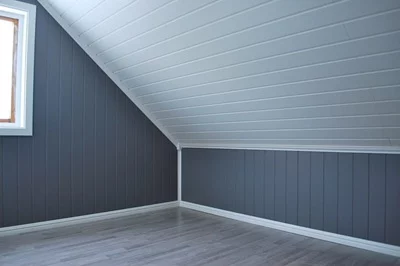
In a nail-up ceiling, IsoBoard is fixed beneath timber or suitable supports to create a continuous insulated ceiling. This is a common method for retrofits, garages, offices and rooms where an existing ceiling is absent or is being upgraded. The long edges and specified support points must be positively secured so the boards cannot move.
Between Exposed Beams or Rafters
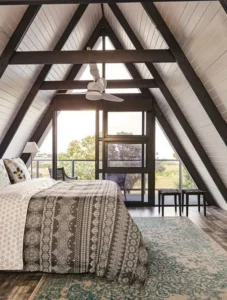
Boards can be cut and fitted between exposed timber members, leaving the beams visible from below. Accurate measurement and neat finishing are essential because irregular cuts and uneven joints remain visible. This method is popular in homes, loft-style spaces, patios and entertainment areas.
Over-Rafter or Over-Truss Installation
On suitable new roof structures, IsoBoard can be installed above the rafters or trusses to form a continuous insulated lining beneath the roof covering. This can preserve exposed internal timber and reduce interruptions in the insulation layer. The complete roof build-up, waterproofing and fixings must be detailed by the relevant building professional.
Retrofit Beneath an Existing Ceiling
In selected renovations, IsoBoard can be installed beneath an existing ceiling to improve thermal resistance and refresh the visible surface. The existing structure must be sound and capable of accepting the required fixing system. Adhesive alone should not be assumed to be adequate unless the manufacturer’s application guidance specifically allows it.
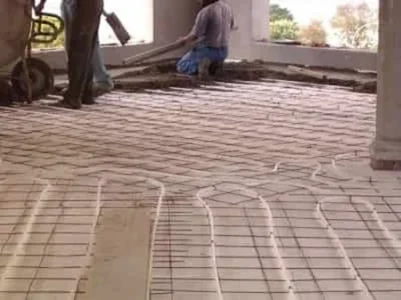
IsoBoard is also used for cavity walls, surface-bed floors, inverted roofs and under-soffit insulation. Those are legitimate applications, but this product page is focused on ceiling boards. Customers purchasing for walls, floors or specialised roof systems should request application-specific advice before ordering.
Thermal Comfort in South African Buildings
Heat naturally flows from warmer areas to cooler areas. In summer, solar heat absorbed by the roof can move inward towards the occupied rooms. In winter, heat generated indoors can escape through an uninsulated roof and ceiling.
IsoBoard slows that heat flow. A thicker board has a higher R-value and therefore offers greater resistance to heat transfer. Correct installation can help reduce indoor temperature swings and reduce the demand placed on fans, heaters and air conditioners.
Insulation does not create heating or cooling, and no responsible supplier can guarantee one electricity-saving percentage for every property. Roof colour, orientation, ventilation, windows, shading, draughts, climate, occupancy and HVAC use all affect the result. The dependable claim is that a properly installed insulated ceiling reduces heat transfer compared with an equivalent uninsulated construction.
Moisture Resistance and Coastal Applications
IsoBoard’s closed-cell XPS structure has very low water absorption. Manufacturer testing reports less than 1% absorption by volume under the specified test conditions. The material is also resistant to water-vapour transfer and can be considered for bathrooms, kitchens, indoor pools and coastal buildings when the complete ceiling design is suitable.
Low water absorption does not make the ceiling a roof-waterproofing system. Leaks, failed flashings and condensation problems must still be corrected. Water entering a roof can damage timber, steel, electrical components, finishes and surrounding materials even when the IsoBoard itself absorbs little moisture.
Paint, trims and fixings should also suit the humidity and corrosive conditions at the site. In coastal areas, the fastener specification can be just as important as the board selection.
Is Isoboard Fireproof?
No. IsoBoard should not be described as fireproof or non-combustible. The manufacturer states that the XPS board is combustible but has no flame-spread characteristics under its referenced assessments.
The manufacturer publishes a SANS 53501 reaction-to-fire classification of B-s1,d0 and a SANS 428 classification of B/B1/2 H&V SPR or USP. These are meaningful test results, but they do not convert the material into non-combustible insulation. The manufacturer also notes that IsoBoard is not suitable where the applicable building occupancy requires non-combustible materials under SANS 10400 Part T.
The complete ceiling and roof system must be considered. Keep the board away from unsuitable heat-producing fittings and do not allow direct contact with heat sources above 70°C. Downlights, chimneys, flues, electrical equipment and other hot components must follow the relevant clearance and fire-safety requirements. A competent electrician or building professional should resolve any uncertainty before installation.
Acoustic Performance: What to Expect
IsoBoard is primarily a thermal insulation and ceiling product. Its rigid closed-cell structure does not absorb sound in the same way as open-fibre glass mineral wool or dedicated acoustic insulation.
An IsoBoard ceiling may form part of a layered ceiling system, but it should not be sold as a complete soundproofing solution, and no unsupported NRC value should be advertised. Where rain noise, traffic, voices or room-to-room sound control is a main objective, the ceiling construction may require mineral wool, acoustic boards, resilient separation and careful sealing in addition to the visible ceiling finish.
Isoboard vs Bulk Ceiling Insulation
IsoBoard and bulk ceiling insulation solve different problems, even though both reduce heat transfer.
| Feature | IsoBoard ceiling | Aerolite or Knauf bulk insulation |
|---|---|---|
| Main material | Rigid closed-cell XPS | Flexible glass mineral wool |
| Visible ceiling finish | Can provide the finished ceiling | Requires a separate ceiling lining |
| Product depth | 30mm to 80mm on this page | Common ceiling products up to 135mm |
| Thermal value | Good performance for limited thickness | Higher R-values available in thick rolls |
| Water absorption | Very low | Must be kept dry and protected from leaks |
| Sound absorption | Not its main strength | Stronger sound absorption options |
| Fire behaviour | Combustible with tested classifications | Selected products are non-combustible |
| Best reason to choose | Insulated ceiling and finish in one | High thermal and acoustic value behind a ceiling |
For perspective, 50mm IsoBoard has a product R-value of R1.905, while 135mm Aerolite and 135mm Knauf ceiling rolls are published at approximately R3.38. This does not make the bulk product better for every project: it still needs a separate finished ceiling. It does show why products must be compared by complete system, application and total installed cost rather than by slogans.
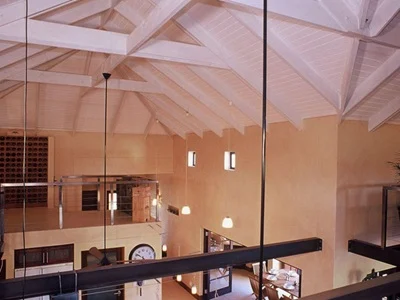
Isoboard vs Summit XPS Ceilings
IsoBoard and Summit are both rigid XPS ceiling-board systems. They offer the same broad advantages: a light, moisture-resistant board that can provide thermal insulation and a finished ceiling surface.
The current page should not claim that Summit is automatically more thermally efficient, lighter or more moisture-resistant than IsoBoard without comparing equivalent certified products. The practical choice depends on:
- Verified R-value at the selected thickness
- Board density and compressive strength
- Available lengths, edge profiles and decorative finishes
- Stock availability and lead time
- Price per square metre
- Architect or engineer specification
- Installer familiarity and project preference
Customers who are not tied to one brand can also compare Summit XPS ceilings. Roof Insulations can help compare the two products based on the actual board thickness, project dimensions and current availability.
Isoboard Ceiling Installation and Handling
IsoBoard is lightweight, but the boards—especially the tongue-and-groove edges and long lengths—can be damaged by rough handling. Transport and store the boards flat, supported and protected from wind, direct heat and physical impact.
Good installation practice includes:
- Confirming the installation method, board direction and support spacing before ordering.
- Selecting lengths that minimise joints and waste.
- Positively securing the long edges and the manufacturer’s required support points.
- Keeping joints aligned and avoiding forced tongue-and-groove connections.
- Using compatible fixings, trims, adhesive and water-based coatings.
- Keeping the boards away from heat sources above the manufacturer’s stated limit.
- Repairing roof leaks and condensation defects before closing the ceiling.
- Allowing for thermal movement and the finishing detail specified for the system.
Static electricity from transport can attract dust to the surface. The manufacturer recommends wiping the board before installation with water containing a small amount of fabric softener when it will remain unpainted. Painted residential ceilings should be clean, prepared and coated with a compatible water-based product.
Confident DIY installation may be possible on small, straightforward ceilings. Long boards, overhead work, scaffolding, precise joints and electrical fittings make professional installation the safer choice for larger or more visible projects.
Nationwide Delivery and Cape Town Installation
Roof Insulations supplies IsoBoard ceiling boards for projects throughout South Africa. Delivery charges depend on board length, quantity, destination and unloading access. Long XPS boards are bulky and fragile, so transport should be confirmed before placing a large order.
Professional installation is available through Cape Ceilings & Drywalling in Cape Town and surrounding Western Cape areas. The installation team can assess the roof structure, exposed finish, board direction, required trims and practical thickness before preparing a quotation.
For installation assistance, visit Isoboard ceiling boards and installation in Cape Town.
Why Buy Isoboard From Roof Insulations?
Roof Insulations has more than 36 years of experience in residential, commercial and industrial insulation. That experience is valuable with rigid ceiling boards because the cheapest thickness or shortest board is not always the most economical finished system.
Customers benefit from:
- Genuine IsoBoard ceiling products
- Current 30mm, 40mm, 50mm and 80mm options
- Guidance on R-values, board lengths and quantities
- Help comparing IsoBoard with Summit XPS and bulk insulation
- Competitive product pricing
- Nationwide delivery quotations
- Professional ceiling installation in Cape Town and surrounding areas
- Practical advice based on the roof design and visible finish
Select the required thickness and board length above to view the current price. For larger orders, special lengths, 80mm boards or installation projects, contact Roof Insulations for a project-specific quotation before ordering.
Frequently Asked Questions About Isoboard Ceilings
What is an Isoboard ceiling?
An IsoBoard ceiling is made from rigid extruded-polystyrene thermal insulation boards that can provide both insulation and a visible finished ceiling surface. The boards normally have tongue-and-groove edges and can be painted with a compatible water-based coating.
What sizes are Isoboard ceiling boards?
IsoBoard has an effective width of 600mm. The purchasable options shown on this page include lengths from 1.8m to 8m and thicknesses of 30mm, 40mm, 50mm and 80mm. Availability varies by thickness, length and finish.
What is the R-value of Isoboard?
The current manufacturer values are R1.143 for 30mm, R1.524 for 40mm, R1.905 for 50mm and R3.049 for 80mm. These are product R-values, not the total R-value of every completed roof assembly.
Which Isoboard thickness is best for a ceiling?
50mm provides the strongest thermal performance among the commonly stocked 30mm, 40mm and 50mm options. 80mm provides a higher R-value but may be made to order and subject to minimum quantities. The correct choice depends on the complete roof design, required R-value, budget and available ceiling depth.
How much does Isoboard cost?
The price depends on thickness and board length. Select both variations above to view the current board price. For a fair comparison, calculate the price per square metre and include trims, fixings, paint, delivery and installation.
How do I calculate the number of boards needed?
Calculate the ceiling area in square metres, then divide it by the area covered by the selected board. Board coverage equals its length multiplied by the 0.6m effective width. Round up and allow for the cuts and waste created by the room layout.
Can Isoboard be used as the finished ceiling?
Yes. This is one of its main benefits. Select a ceiling-suitable edge and finish, install it neatly and use a compatible water-based coating where painting is required. The support and fixing method must follow the application guidance.
Can Isoboard be painted?
Yes. The manufacturer recommends painting boards used in residential ceiling applications. Use a suitable water-based paint or coating and avoid solvent-based products that can attack polystyrene.
Is Isoboard waterproof?
IsoBoard has very low water absorption—less than 1% by volume under the manufacturer’s referenced test—but it is not a roof-waterproofing product. Repair all leaks and waterproofing defects before installation.
Is Isoboard suitable for coastal homes and bathrooms?
Its low water absorption makes it useful in humid interiors and coastal properties when the complete system is correctly designed. Fixings, coatings, ventilation and waterproofing must also suit the environment.
Is Isoboard fireproof?
No. IsoBoard is combustible and should not be called fireproof or non-combustible. It has tested fire classifications published by the manufacturer, but it must not be used where a non-combustible material is required. Heat-source clearances and the complete ceiling design remain important.
Can downlights be installed in an Isoboard ceiling?
Only suitable fittings and installation details should be used. The board must not contact heat sources above 70°C, and all required clearances must be maintained. Ask a competent electrician to specify and install the fittings when there is any uncertainty.
Does Isoboard reduce noise?
IsoBoard is primarily a thermal product. Its rigid closed-cell structure does not provide the same sound absorption as glass mineral wool or dedicated acoustic insulation. Additional acoustic layers may be required where noise control is a priority.
Is Isoboard better than Aerolite or Knauf?
It is better for a different purpose. IsoBoard can provide an attractive ceiling and insulation in one thin rigid product. Thick Aerolite or Knauf rolls generally provide higher thermal resistance and better sound absorption but need a separate ceiling lining. Compare the complete installed system.
What is the difference between Isoboard and Summit XPS?
Both are rigid XPS ceiling boards. The decision should be based on verified performance, price per square metre, available thicknesses and lengths, surface profile, stock and project specification. Neither brand should be declared universally better without comparing equivalent products.
Can I install Isoboard myself?
Small, simple ceilings may be manageable for a skilled DIY installer. Long fragile boards, accurate visible joints, overhead work, scaffolding and electrical fittings make professional installation advisable for larger or more complex ceilings.
Do you deliver Isoboard throughout South Africa?
Yes. Roof Insulations can arrange nationwide delivery. Cost and feasibility depend on board length, quantity, destination and unloading access, so confirm transport before ordering long boards.
Do you install Isoboard ceilings?
Professional installation is available through Cape Ceilings & Drywalling in Cape Town and surrounding Western Cape areas. Request a site-specific quotation for materials, labour and finishing requirements.
Order Isoboard Ceiling Boards
Choose 30mm, 40mm, 50mm or 80mm IsoBoard, select the required board length and view the current price above. If you need help calculating quantities, comparing thicknesses, arranging nationwide delivery or obtaining an installation quotation in Cape Town, contact Roof Insulations before placing your order.
-

40mm Summit XPS Ceiling Boards
R171.93 -
40mm Isoboard Ceiling Boards
R197.71 -
Summit XPS Ceilings
Price range: R135.63 through R966.00 Select options This product has multiple variants. The options may be chosen on the product page